
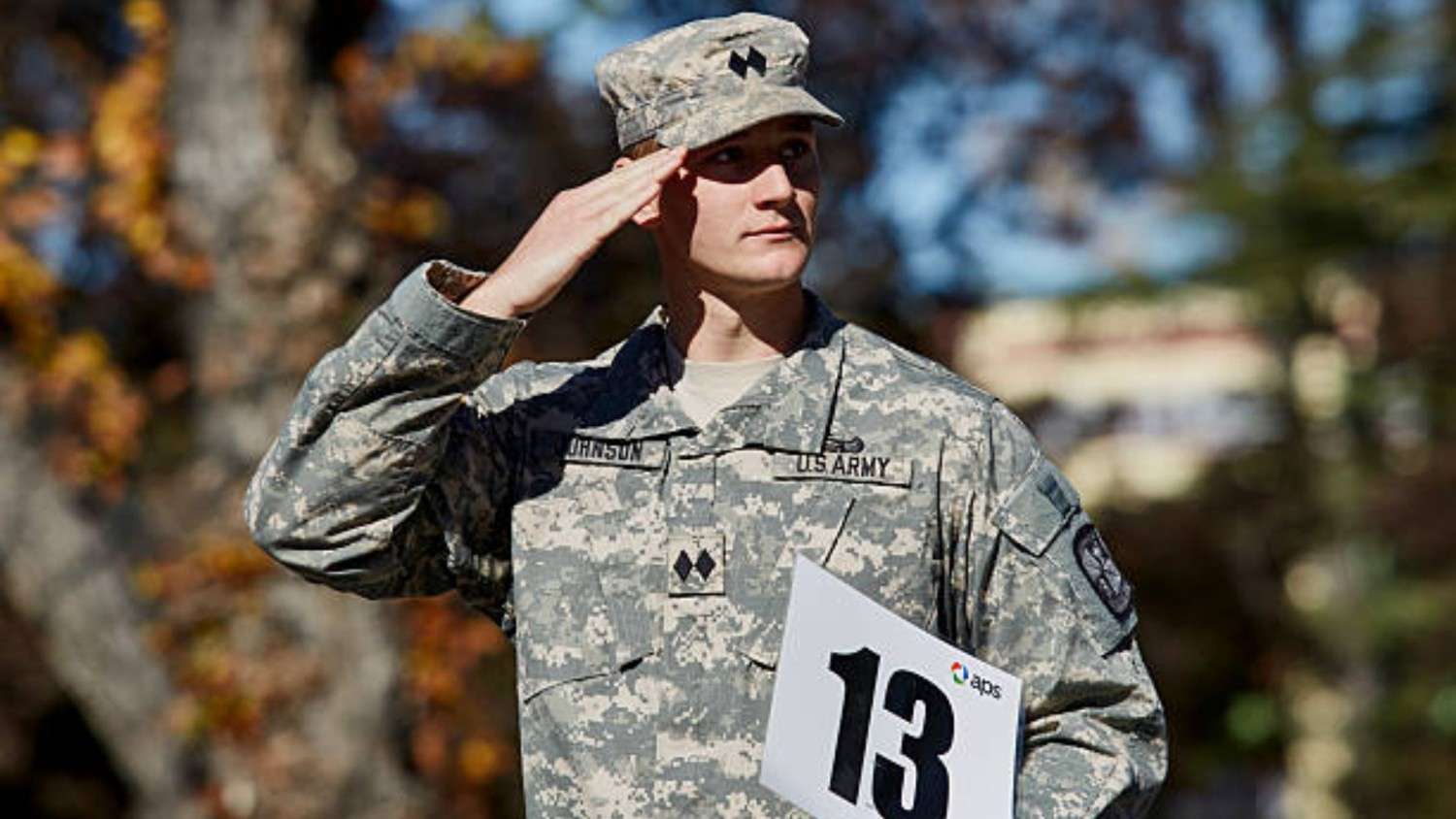
Joining the U.S. military is a life-changing decision, and one of the first steps toward enlistment is taking the Armed Services Vocational Aptitude Battery (ASVAB). Understanding the ASVAB score requirements by branch can help you choose the military path that best aligns with your goals and prepare for the opportunities available in each service.
While every military branch has minimum enlistment standards, earning a higher score can significantly expand your career options. Whether you’re interested in the Army, Navy, Air Force, Marines, Coast Guard, or Space Force, knowing the score expectations before you test is essential.
At Andy’s ASVAB Class, students receive expert instruction, a detailed ASVAB score guide, engaging ASVAB classes, and personalized ASVAB tutoring to help them maximize their scores and qualify for more military career opportunities.
What Are ASVAB Score Requirements by Branch?
The ASVAB measures your strengths in subjects such as mathematics, science, word knowledge, reading comprehension, electronics, mechanical comprehension, and assembling objects. The military uses your results to determine both your eligibility to enlist and the jobs you may qualify for.
Understanding AFQT vs. Line Scores
Many students believe there is only one ASVAB score, but there are actually two important measurements.
The Armed Forces Qualification Test (AFQT) score determines whether you meet the minimum requirements to join a military branch. Your AFQT score is calculated using four key sections of the ASVAB:
- Arithmetic Reasoning
- Mathematics Knowledge
- Word Knowledge
- Paragraph Comprehension
In addition to the AFQT, each branch evaluates line scores, which combine results from multiple ASVAB sections. These scores determine eligibility for specific military occupations.
Why Score Requirements Differ
Each military branch has unique recruiting goals and career fields. Technical branches often require stronger academic performance because many positions involve advanced technology, engineering, communications, or cyber operations.
Although minimum requirements may change depending on recruiting needs, students should always aim to score well above the minimum.
Army ASVAB Score Requirements
The Army offers one of the broadest selections of military careers, making it an attractive option for many first-time applicants.
Minimum AFQT Score for the Army
Most high school graduates generally need an AFQT score of 31 to qualify for enlistment.
Applicants with higher scores have access to a greater variety of Military Occupational Specialties (MOS).
Popular Army Careers
Higher ASVAB scores may qualify you for careers such as:
- Intelligence Analyst
- Information Technology Specialist
- Combat Engineer
- Aviation Operations
- Medical Specialist
- Cyber Operations
Many technical positions require strong line scores in mathematics and science.
Tips for Army Applicants
Don’t prepare simply to reach the minimum score. A stronger ASVAB result gives you greater flexibility when selecting your military career.
Navy ASVAB Score Requirements
The Navy provides careers both at sea and on shore, many involving sophisticated technology and advanced equipment.
Minimum Navy ASVAB Score
Most applicants need an AFQT score around 31 to qualify, although competitive specialties often require significantly higher line scores.
High-Demand Navy Careers
Some Navy jobs include:
- Nuclear Engineering
- Aviation Electronics
- Information Systems Technician
- Intelligence Specialist
- Hospital Corpsman
These technical careers usually require excellent performance across multiple ASVAB subject areas.
Preparing for the Navy
Students planning to join the Navy should strengthen their skills in mathematics, electronics, mechanical comprehension, and science.
Air Force ASVAB Score Requirements
The Air Force is known for highly technical careers and competitive entry standards.
Minimum Air Force ASVAB Score
Most applicants generally need an AFQT score of 36 or higher. However, many specialized careers expect considerably stronger scores.
Why Air Force Scores Are Often Higher
Air Force careers frequently involve advanced technology, including:
- Aircraft Maintenance
- Cybersecurity
- Intelligence
- Communications
- Aerospace Systems
Because these positions require technical expertise, competitive ASVAB scores are especially valuable.
Career Opportunities
Higher ASVAB scores may qualify applicants for careers including:
- Cyber Operations
- Aerospace Medical Service
- Intelligence Analysis
- Aircraft Electrical Systems
- Engineering Support
Marine Corps ASVAB Score Requirements
The Marine Corps values leadership, discipline, and readiness while offering careers across combat and technical fields.
Minimum Marine Corps Score
Most high school graduates qualify with an AFQT score around 31, although specialized military occupations require stronger line scores.
Marine Corps Career Fields
Examples include:
- Infantry
- Communications
- Aviation Support
- Logistics
- Intelligence
- Engineering
Each career field has its own score requirements.
Preparing for Success
Strong preparation improves both enlistment eligibility and access to preferred occupational specialties.
Other Military Branches to Consider
Coast Guard ASVAB Requirements
The Coast Guard is one of the smaller military branches and often maintains competitive admission standards. Applicants with higher ASVAB scores generally have more career opportunities.
Space Force ASVAB Expectations
As the newest branch of the U.S. military, the Space Force focuses heavily on technology, cybersecurity, engineering, and intelligence. Strong math and science skills are especially beneficial for applicants interested in Space Force careers.
ASVAB Score Comparison by Branch
| Military Branch | Typical Minimum AFQT Score* |
|---|---|
| Army | Around 31 |
| Navy | Around 31 |
| Air Force | Around 36 |
| Marine Corps | Around 31 |
| Coast Guard | Competitive standards vary |
| Space Force | Highly competitive technical qualifications |
*Minimum requirements may change depending on recruiting needs and applicant qualifications.
Which Branch Has the Highest Requirements?
Generally speaking:
- Air Force and Space Force tend to have more competitive score expectations.
- Coast Guard also attracts applicants with strong academic performance.
- Army, Navy, and Marine Corps provide numerous career opportunities, but higher ASVAB scores remain beneficial across every branch.
Remember, earning a higher score isn’t just about qualifying it can influence your career path for years to come.

How to Improve Your ASVAB Score Before Enlisting
Preparation makes a significant difference. Students who follow a structured study plan often improve both their confidence and performance.
Follow a Reliable ASVAB Score Guide
A well-designed ASVAB score guide helps you understand:
- How scores are calculated
- Which subjects require more attention
- How line scores affect military jobs
- Effective study strategies
Studying with a clear roadmap allows you to focus your efforts efficiently.
Enroll in ASVAB Classes
Professional ASVAB classes provide structured instruction, accountability, and expert explanations that many students find more effective than self-study alone.
Benefits include:
- Organized lessons
- Practice quizzes
- Test-taking strategies
- Progress tracking
Work with an ASVAB Tutor
If you’re struggling with math, vocabulary, or science, personalized ASVAB tutoring can help identify weak areas and create a customized improvement plan.
One-on-one guidance allows students to ask questions, receive immediate feedback, and build confidence before test day.
Practice with Realistic Exams
Practice tests help students:
- Become familiar with question formats
- Improve time management
- Identify knowledge gaps
- Reduce test anxiety
Consistent practice is one of the most effective ways to improve your final score.
Common Mistakes Students Make
Many applicants limit their opportunities by making avoidable mistakes during preparation.
Studying Only to Meet the Minimum
Meeting the minimum enlistment score may qualify you to join, but it may not qualify you for the career you truly want.
Ignoring Line Scores
Military jobs rely heavily on line scores, not just your AFQT score. Strong performance across multiple subjects creates more opportunities.
Waiting Too Long to Prepare
Last-minute studying often results in unnecessary stress and lower scores. A steady study schedule produces better long-term retention.
Why Choose Andy’s ASVAB Class?
Preparing for the ASVAB doesn’t have to be overwhelming. Andy’s ASVAB Class is dedicated to helping students achieve their highest potential through proven preparation methods and expert instruction.
Students benefit from:
- Comprehensive ASVAB score guide
- Interactive ASVAB classes
- Personalized ASVAB tutoring
- Experienced instructors
- Full-length practice exams
- Customized study plans
- Test-taking strategies that build confidence
Whether your goal is joining the Army, Navy, Air Force, or Marines, the right preparation can make a significant difference in your final score and future military career.
Conclusion
Understanding the ASVAB score requirements by branch is one of the most important steps in preparing for military service. While meeting the minimum score may allow you to enlist, earning a higher score can significantly increase the number of career paths available to you in the Army, Navy, Air Force, Marines, and other branches.
Instead of aiming to simply pass, invest time in quality preparation. With the support of Andy’s ASVAB Class, including a comprehensive ASVAB score guide, expert-led ASVAB classes, and personalized ASVAB tutoring, you’ll be better prepared to earn a competitive ASVAB score and confidently pursue the military career that best matches your goals.
Ready to take the next step? Enroll in Andy’s ASVAB Class today and gain the knowledge, confidence, and expert guidance you need to achieve your target ASVAB score and unlock more military career opportunities.
FAQ
-
What is the ASVAB?
The ASVAB is a standardized test used to determine eligibility and career qualifications for U.S. military service.
-
Do all military branches have the same ASVAB score requirements?
No, each military branch sets its own minimum ASVAB score requirements and job qualification standards.
-
What is the difference between AFQT and line scores?
The AFQT determines enlistment eligibility, while line scores determine which military jobs you qualify for.
-
Can I improve my ASVAB score before enlisting?
Yes, consistent study, practice tests, and structured preparation can help improve your ASVAB score.
-
Why should I aim for a higher ASVAB score?
A higher ASVAB score can qualify you for a wider range of military careers and specialized roles.